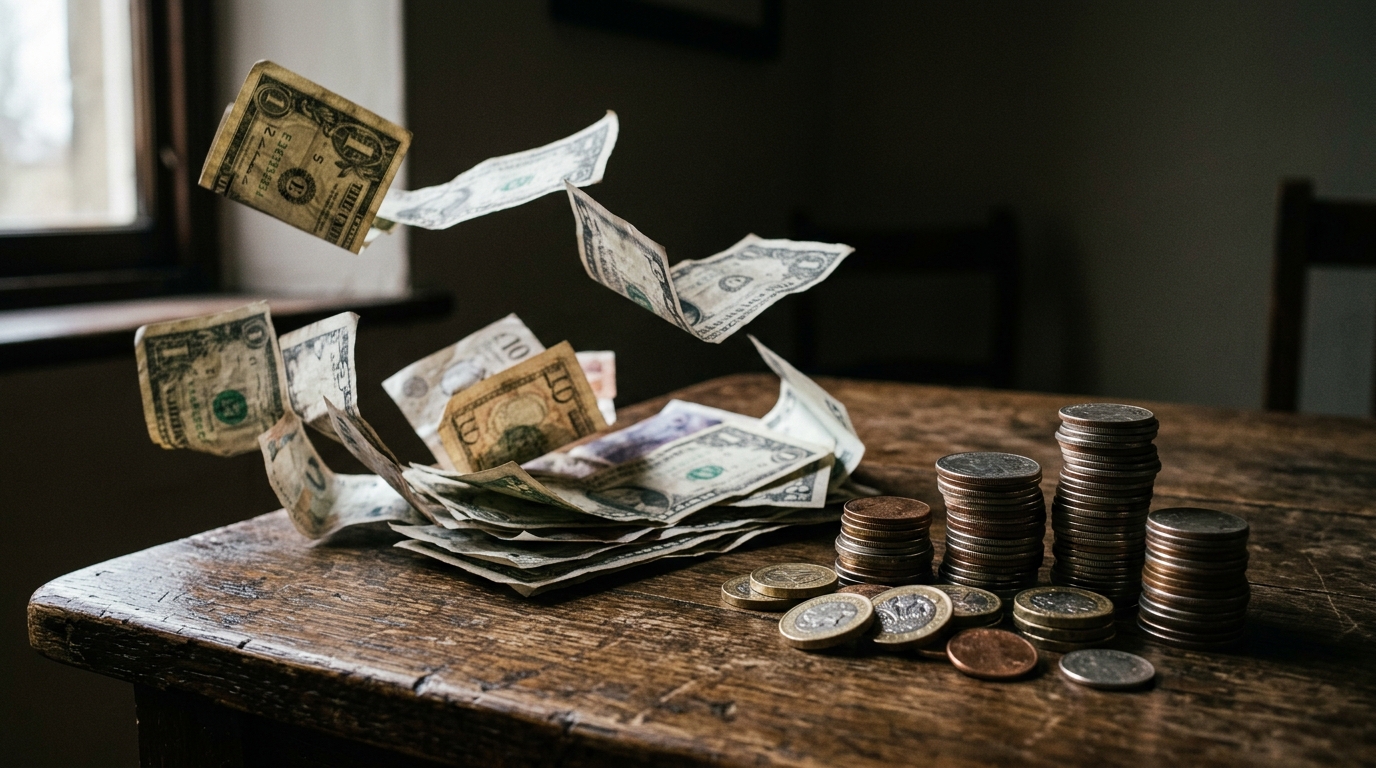
“Yet once more I will shake not only the earth but also the heavens.”
Hebrews 12:26 (ESV)
A Fragile Stability, Not a Total Collapse
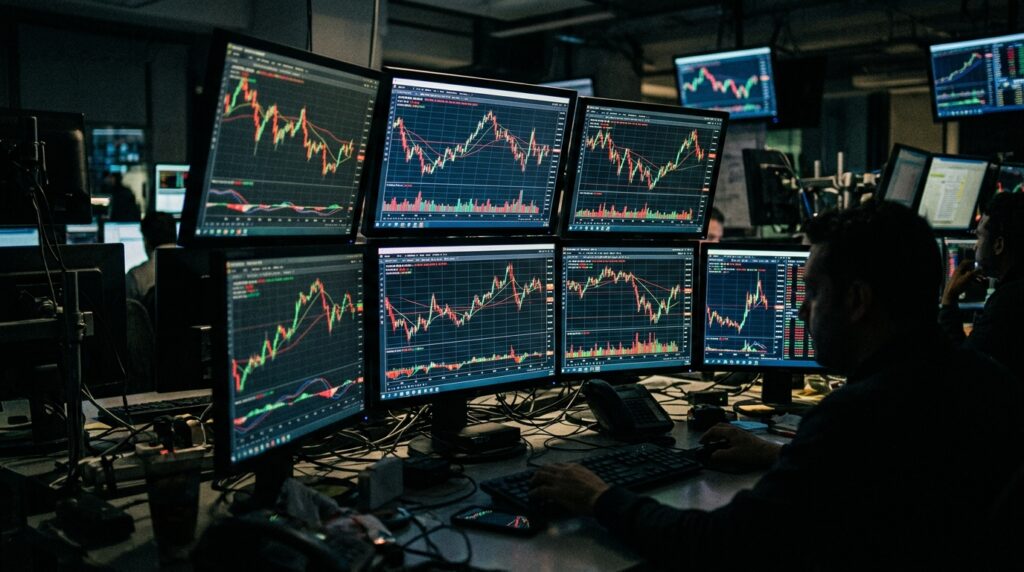
In 2026, the global economy is not in free fall—but it is clearly under strain. Major institutions describe the outlook as weaker and more fragile than in previous years, with growth forecasts hovering around 2.5–2.7 percent, well below pre‑pandemic norms. War in the Middle East, energy shocks, and renewed inflation have darkened an already cloudy horizon.
Reports from the United Nations and other agencies point to slower global growth, lingering uncertainty, and a world increasingly vulnerable to new shocks. At the same time, there is no consensus that a “2008‑style” collapse is guaranteed. Some analysts even stress that, while risk is elevated, markets and systems have so far remained more resilient than many feared.
For believers, this mix of instability and resilience can be confusing. Are we watching the start of a historic financial crisis, or just another rough stretch in a broken world? The answer may not be as simple as either extreme headline suggests.
Why Everything Feels More Expensive and Uncertain
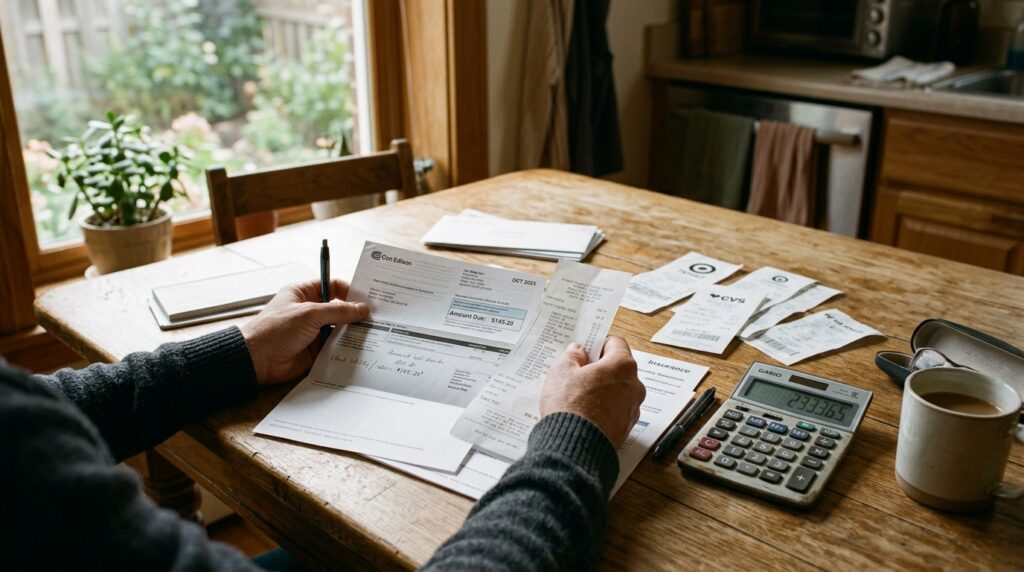
Even without a full‑scale crash, many households feel squeezed. The renewed conflict in the Middle East has interrupted energy supplies and pushed energy prices higher, reigniting inflation that had started to cool after the pandemic years. Official projections expect inflation in developed economies to drift back up, and the impact is even sharper in many developing nations, where rising import and transport costs erode already thin margins.
For ordinary people, this means that groceries, fuel, rent, and basic services all feel heavier. At the same time, interest rates and borrowing costs remain higher than many are used to, making it more expensive to carry debt or start new projects. The result is a mood of unease: budgets are tighter, plans feel less secure, and the idea of “getting ahead” seems increasingly distant for large parts of the population.
From a prophetic perspective, the sense that “nothing is stable” can easily feed into apocalyptic fear. But Scripture has always told us that riches are uncertain and that earthly security is fragile (1 Timothy 6:17). The fact that we are feeling this more intensely now does not mean God has lost control. It may mean we are finally seeing the reality He has been describing all along.
Debt, Rich Nations, and the Weight No One Wants to Carry
Behind the visible prices and headlines sits a less visible problem: debt. Analysts warn that many rich countries are “living beyond their means,” with high public debt and growing risk of bond‑market stress if investor confidence weakens. At the same time, many developing nations face rising borrowing costs and limited access to affordable finance, intensifying existing vulnerabilities.
Some commentators describe 2026 as a kind of “stress test” for the global system rather than an automatic repeat of 2008: a period when debt levels, interest rates, and investor trust will be tested under pressure. The danger is not only recession, but the possibility of a deeper crisis if trust in financial institutions and government debt begins to erode more sharply.
Proverbs says that “the borrower is the slave of the lender” (Proverbs 22:7). On a personal level, that is a warning against careless debt. On a national and global level, it helps explain why a world built on ever‑expanding borrowing feels so fragile. When entire systems depend on trust that money will keep flowing, any serious shock can expose how little is truly under human control.

What Scripture Says When Economies Shake
The Bible never promises a smooth economic ride. Instead, it repeatedly warns against placing our security in wealth. Jesus tells His disciples not to store up treasures on earth, “where moth and rust destroy and where thieves break in and steal,” but to treasure what cannot be taken away (Matthew 6:19–21). He then directly ties anxiety about money and survival to our trust in the Father’s care (Matthew 6:25–34).
Hebrews speaks of God shaking what can be shaken so that what cannot be shaken may remain (Hebrews 12:25–29). Economic instability is not automatically a sign that a specific prophecy is being fulfilled in detail. It is, however, a vivid reminder that our systems, institutions, and savings are temporary. When markets tremble, we are confronted again with the question: where have we really placed our hope?
James warns the wealthy who exploit others and hoard their resources as if judgment will never come (James 5:1–4). His words do not target every person who happens to have money; they confront a mindset that treats people as expendable and profit as the highest good. In a world where economic stress often lands hardest on the poor, these passages call the church to pay attention not only to prophecy charts, but to justice.
How Christians Can Live in This Economic Storm
If 2026 is a season of economic shaking, how should believers respond? First, by resisting both denial and hysteria. We acknowledge the real pressures that families, workers, and nations face. We also refuse to build our worldview on the loudest fear‑driven predictions, remembering that Jesus told us not to be alarmed even when nations tremble (Matthew 24:6).
Second, we return to simple obedience. That means living within our means as much as possible, avoiding unnecessary debt, practicing generosity, and caring for those who are hardest hit. It means seeking first the kingdom of God and His righteousness in our financial decisions, trusting that our Father knows what we need (Matthew 6:33).
Finally, we stay watchful, not only toward the markets, but toward our own hearts. Economic instability has a way of exposing what we love most. For some, it reveals deep fear of losing status or comfort. For others, it surfaces resentment or envy. In that exposure, God offers an invitation: to cling less tightly to what can be shaken, and more firmly to Christ, whose kingdom cannot be moved.

The economic instability of 2026 is serious, but it is not the final word. Markets will rise and fall. Debt cycles will repeat. Forecasts will shift again. Through all of it, the call of Scripture remains the same: do not build your life on sand. Build on the One who does not change when everything else does.
BIBLE REFERENCES
Matthew 6:19–34 (ESV); Hebrews 12:25–29 (ESV); Proverbs 22:7 (ESV); 1 Timothy 6:6–10 (ESV); James 5:1–4 (ESV)
Can I get more information from to my email
Who is the author of this information, the blogs and videos? Why do you remain hidden? I would like to know who or what organization is behind this site, please! Thank you!