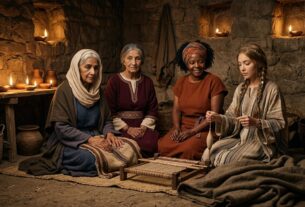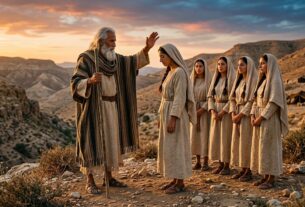
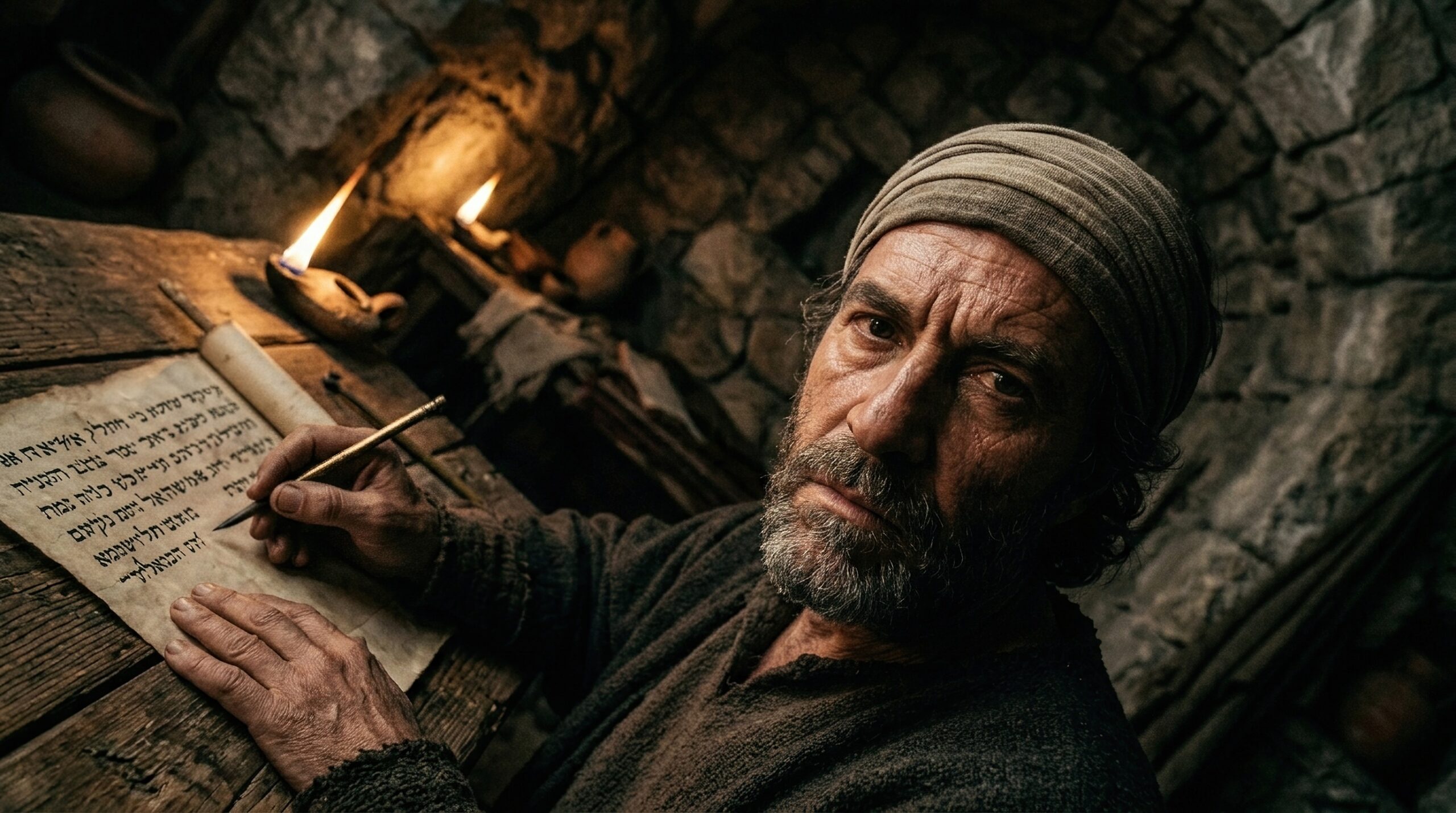
This narrative contrasts two extraordinary books that stand at the edge of Scripture: the lost Book of Jasher and the surviving Book of Jubilees. Jasher is quoted directly in Joshua and Samuel, trusted by biblical authors as a witness to miracles and sacred songs, yet its original text has vanished completely, leaving only shadows and later imitations. Jubilees, by contrast, was copied extensively at Qumran, presents itself as angelic revelation to Moses, expands Genesis with detailed accounts of fallen angels, demonic powers, and a rigid sacred calendar, and remains canonical today in the Ethiopian Orthodox Church. The video walks through how different communities over centuries accepted or left aside these books, not through a single dark conspiracy, but through a slow, complex process of theological discernment that still raises questions for modern Christians.
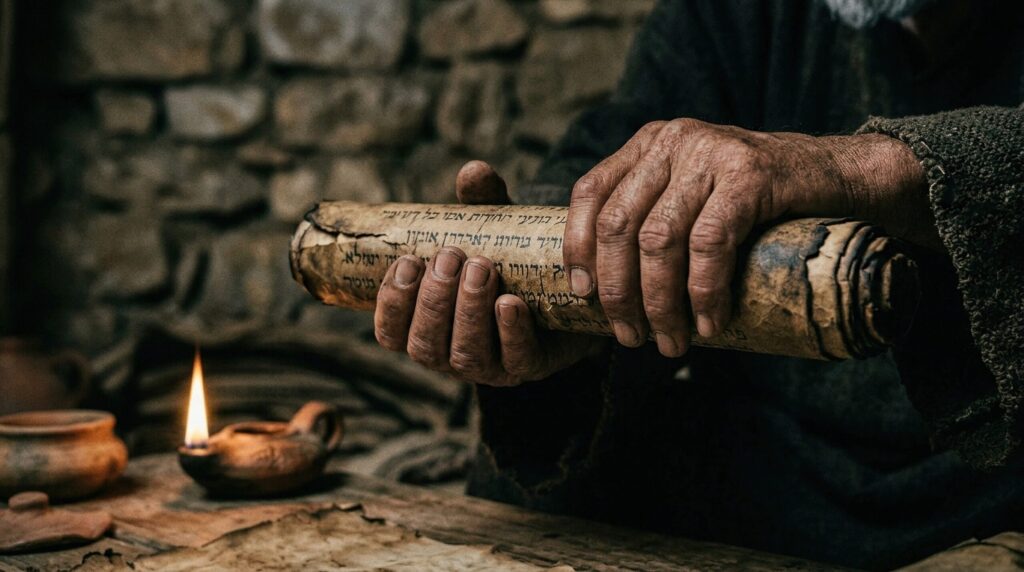
Lesson 1 — God allows mystery, but safeguards Scripture
Core idea:
God permits real historical mystery around certain texts, yet He safeguards the Scriptures needed for salvation and faithful living, even when other writings are lost or disputed.
In the narrative:
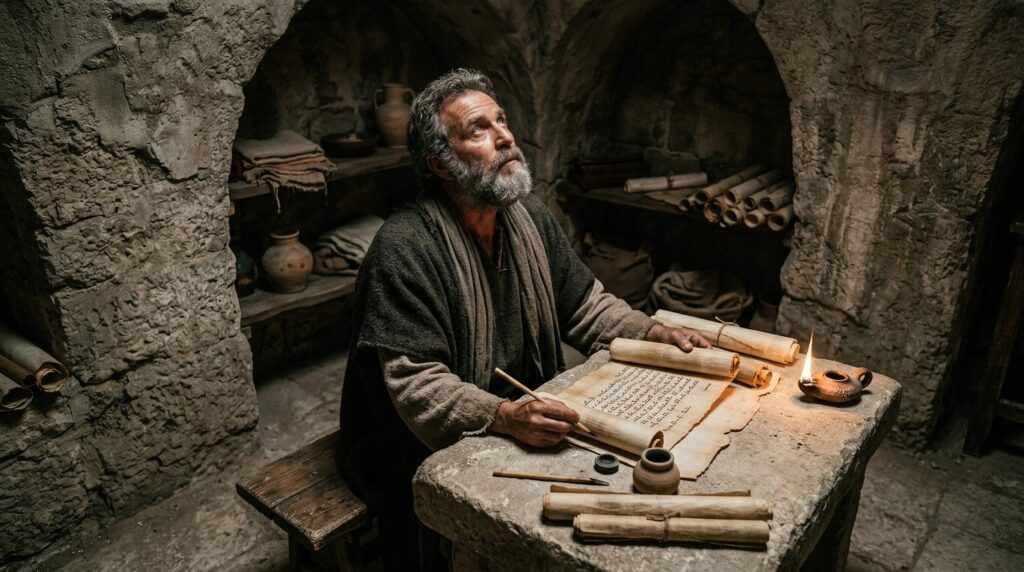
The Book of Jasher is explicitly cited in Joshua’s account of the sun standing still and in David’s “Song of the Bow,” showing that Israel’s authors respected it as a real, trustworthy witness. Yet that original book slipped through history and disappeared so completely that no scholar today can say with certainty what it contained. The modern “Book of Jasher” available in bookstores is a medieval midrash on Genesis, and earlier forgeries tried to pass as the original, underscoring that what people can buy now is not the text Joshua or David knew. The narrative emphasizes that the true Jasher is gone, and all we have are biblical references and indirect traces.
Test your biblical knowledge with this amazing quiz!
Practical application:
You may feel unsettled by the idea that a book respected by biblical authors is lost, as if something essential to your faith slipped away. This lesson invites you to rest in the reality that God preserved the canonical Scriptures that clearly reveal His character, His covenant, and the way of salvation, even while allowing other texts to fade. A concrete step this week is to read Joshua 10 and 2 Samuel 1, noting where Jasher is mentioned, and then thank God that the central truth of the gospel does not depend on recovering every lost book. You can also examine your own curiosity— asking whether it draws you toward deeper obedience to what God has clearly revealed or simply toward endless speculation that never changes how you live.
Lesson 2 — Extra-biblical texts can illuminate, but must not replace Scripture
Core idea:
Books like Jubilees can illuminate historical and theological questions, yet they must remain servants, not masters, in our reading of God’s Word.
In the narrative:
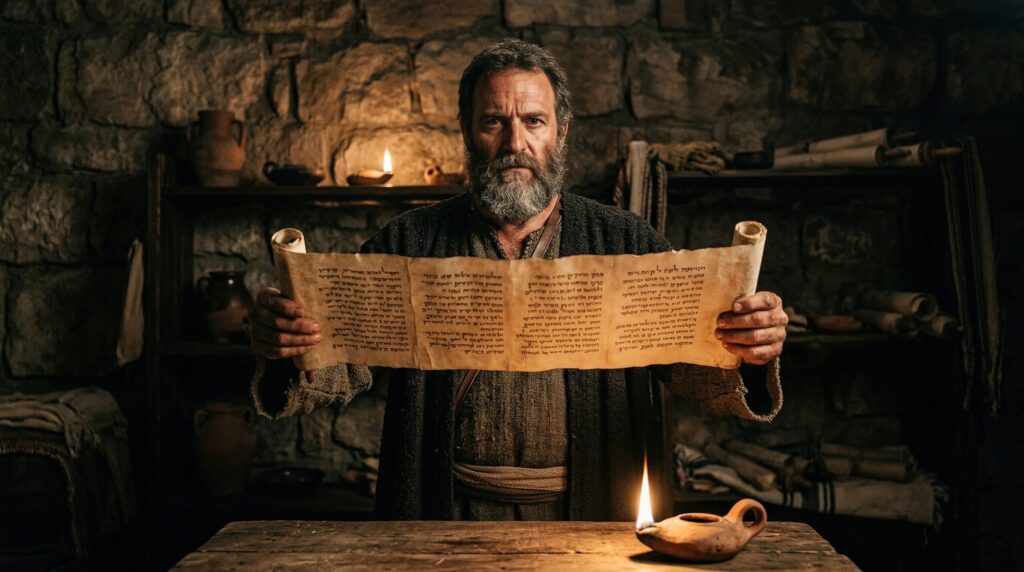
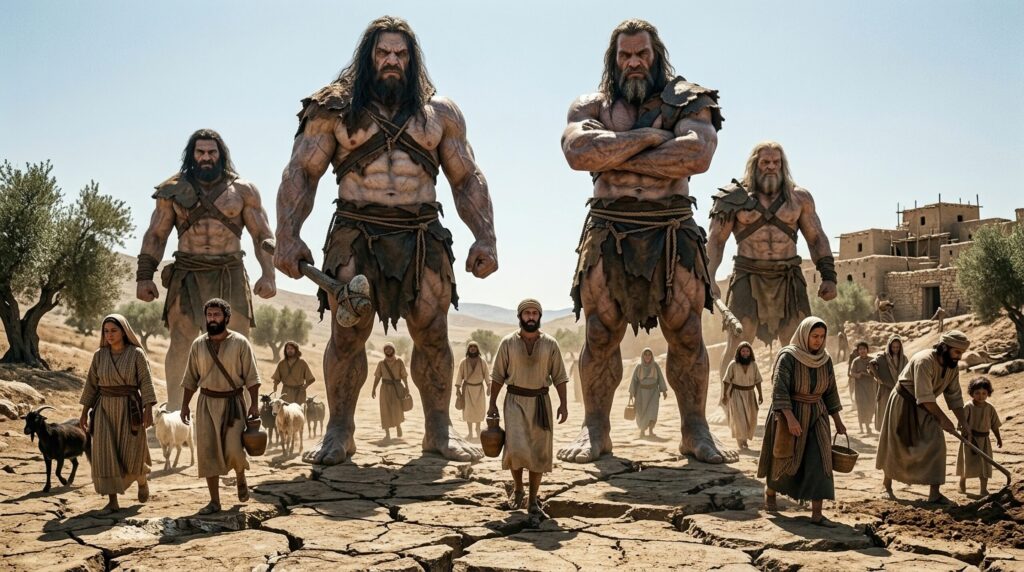
Jubilees was written around the second century before Christ and was among the most copied texts found at Qumran, showing that one desert community revered it as Scripture alongside other sacred scrolls. It presents itself as revelation from the Angel of the Presence to Moses, retelling history from creation to Sinai with added details about the Watchers, forbidden knowledge, and the spirits of giants after the Flood. The book introduces figures like Mastema, the prince of evil spirits, and describes a request that one tenth of those spirits remain on earth to test humanity, a theology not found in Genesis. Jubilees also insists on a perfect 364‑day calendar, portraying time as a tightly ordered sacred structure and challenging rival calendars in Israel’s religious life.
Practical application:
You may be drawn to Jubilees because it seems to answer questions Genesis leaves open about angels, demons, and sacred time. This lesson encourages you to treat such texts as historical windows or theological proposals, not as equal authority with Scripture. A practical habit is to place any insight you gain from Jubilees beside what canonical passages teach, refusing to build doctrine on a book your own tradition does not recognize as Scripture. You can also ask yourself whether studying these texts is helping you love Christ, obey His commands, and serve His church— or simply feeding curiosity without fruit.
Lesson 3 — The canon formed through long, human decisions under God’s providence
Core idea:
The Bible’s canon did not emerge from a single secret meeting, but from centuries of decisions by real communities— decisions God could still govern providentially for the good of His church.
In the narrative:
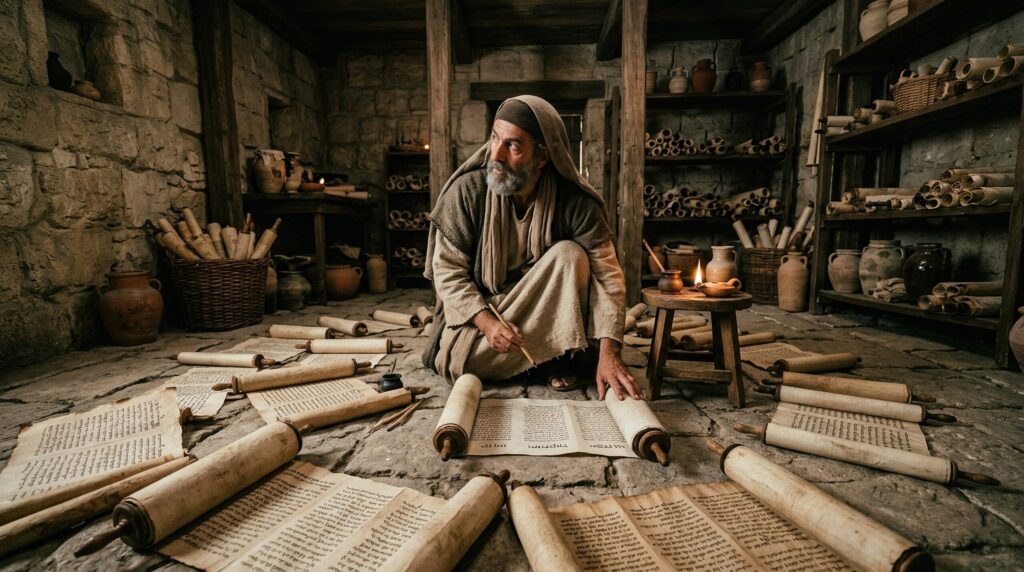
The video explicitly rejects the popular myth of one shadowy council erasing books in a single night, noting there was no single day, room, or decree that removed Jasher or Jubilees from every Bible. Instead, the formation of the canon involved different regions, languages, and communities gradually weighing texts over generations. Some traditions, like the Ethiopian Orthodox Church, kept Jubilees and Enoch within their Bible, while others never accepted them, revealing diversity rather than uniform conspiracy. Religious leaders often left these books aside because they were later compositions, full of specific demon names, exact cosmic timelines, and speculative expansions that many feared could distract believers from the central story of redemption.
Practical application:
You may feel tempted by conspiracy theories that blame a single villain for “hiding” spiritual truth, because that story seems simple and emotionally satisfying. This lesson calls you instead to wrestle with the complex, messy reality of church history and to see God’s providence working through imperfect human choices. A concrete step is to read a brief, trustworthy overview of canon formation and then pray for humility— asking God to free you from both naive suspicion and naive idealization of history. You can also cultivate charity toward Christians from other traditions, recognizing that differences in their biblical canon often arose from long theological reflection, not pure malice.
Lesson 4 — Curiosity about “forgotten archives” must submit to Christ
Core idea:
Exploring books like Jasher and Jubilees can deepen our sense of mystery, but that curiosity must bow before Christ, who remains the center of all Scripture.
In the narrative:
The script acknowledges the emotional pull of “forgotten archives” and internet claims that secret books complete what the Bible only hints at, lighting up its darkest corners. It also notes that others see these texts as dangerous distractions that can pull attention away from what truly matters— the core message of faith and redemption. The video frames this tension as the same question believers wrestled with two thousand years ago: whether such writings enrich or confuse. In the end, it leaves the choice with the viewer, asking whether they prefer the clarity of the canon they know or the complexity and unanswered questions of what was left behind.
Practical application:
You may feel that your spiritual life needs mystery and complexity to stay alive, and these books seem to offer that in abundance. This lesson invites you to bring that curiosity under the lordship of Christ, asking whether each new exploration leads you closer to His cross, His resurrection, and His commands. A practical step is to set a rhythm: for every hour you spend reading about forgotten texts, spend at least as much time in the Gospels, letting Jesus Himself steady your heart. You can also talk with a trusted pastor or mature believer about how to engage these writings responsibly, so that fascination does not quietly replace devotion.
When we hold Jasher and Jubilees side by side, we see a unified picture of God’s dealings with His people: He allows real mystery around certain texts, permits communities to struggle with extra-biblical writings, yet keeps the heart of Scripture clear for those who seek Him. Jasher shows us that trusted books can be lost and still leave the essential biblical witness intact, while Jubilees shows how powerful voices outside the canon can shape communities for centuries without becoming binding on all Christians. This week, you can respond in three steps. First, read Joshua 10 and 2 Samuel 1 alongside a short introduction to Jasher and Jubilees, simply noting where Scripture itself stops and where later texts begin. Second, take time in prayer to express both your curiosity and your fears, asking God to tether your heart to the canonical Scriptures that clearly reveal Christ. Third, choose one practical act— studying a gospel, serving someone in your church, or memorizing a passage about Jesus— as a way of showing that, however deep you go into the archives, the living Christ remains your center.
Scripture references and context
- Joshua 10:12–13 — Records Joshua’s command for the sun to stand still and notes that the event is written in the Book of Jasher, showing the book’s role as a known witness.
- 2 Samuel 1:17–18 — Preserves David’s lament for Saul and Jonathan, the “Song of the Bow,” and states that it is written in the Book of Jasher, again acknowledging the lost text.
- Genesis 6:1–4 — Briefly mentions the “sons of God” and the Nephilim, the mysterious backdrop that Jubilees expands with detailed accounts of the Watchers and forbidden knowledge.
- Dead Sea Scrolls context (Qumran, c. second century BC) — Archaeological findings show Jubilees was heavily copied and revered as Scripture in at least one Jewish community.
- Ethiopian Orthodox tradition — Keeps Jubilees and Enoch within its biblical canon, demonstrating that the status of these books varies across Christian communities.
- Theological concepts highlighted:
- Canon of Scripture — The recognized set of books received by a community as authoritative written revelation.
- Providence — God’s wise, sovereign guidance of history, including the messy human process of canon formation and the preservation or loss of texts.
- Angelology and demonology — Jubilees’ expansions on fallen angels, evil spirits, and figures like Mastema sit at the boundary of canonical teaching and later speculation.