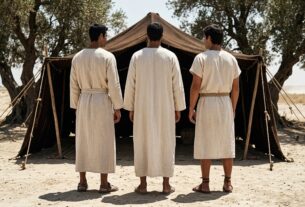
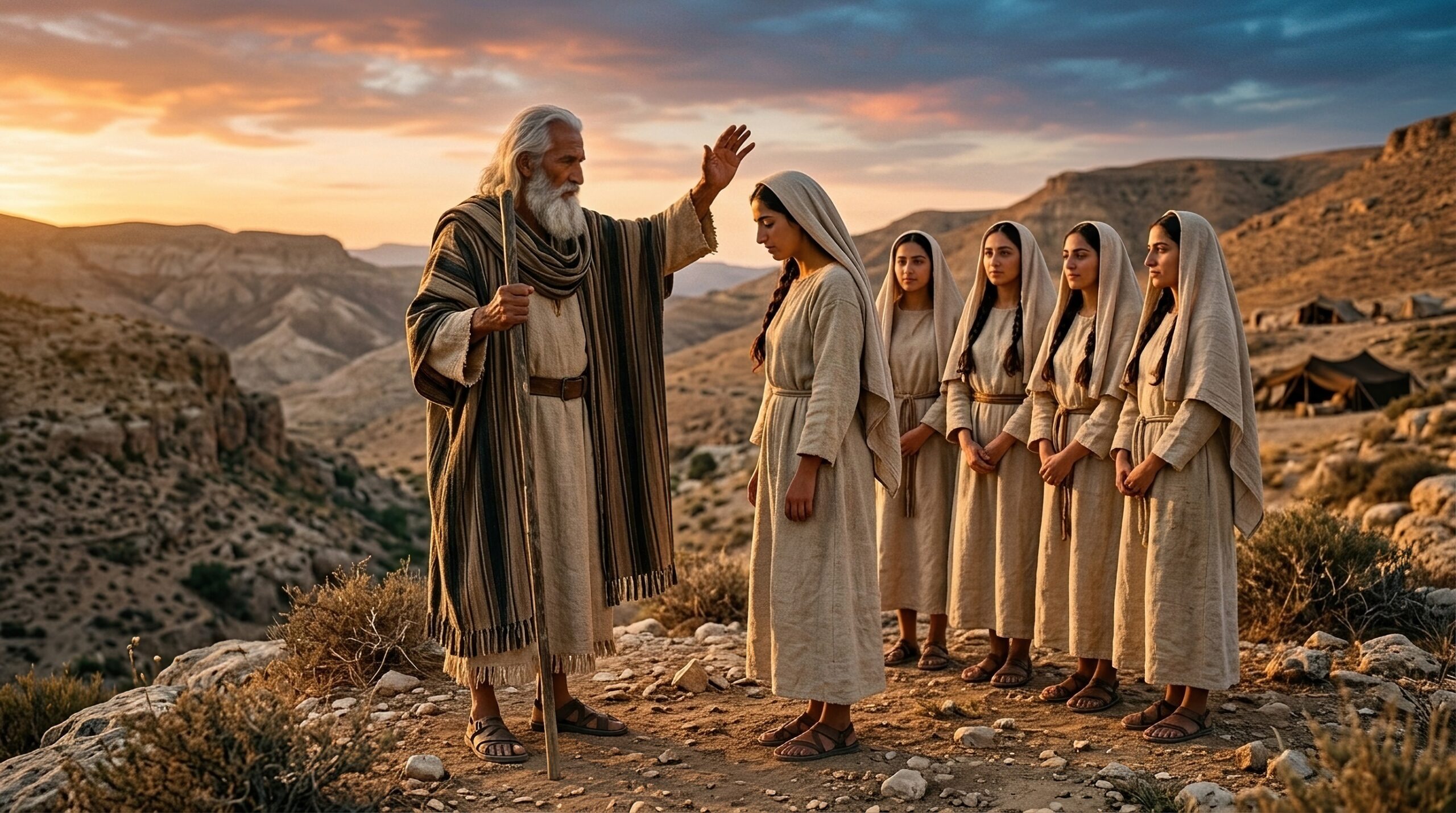
The narrative of Zelophehad’s daughters unfolds in the Book of Numbers during Israel’s wilderness years, as the nation stands between judgment in the desert and the promise of Canaan. Census records and inheritance laws form the backdrop, because land in Israel was never merely economic property but a sign of participation in God’s covenant with Abraham and belonging among His people. When five sisters face the loss of their father’s name and inheritance, they appeal before Moses, the priest, and the tribal leaders at the entrance of the tabernacle, and God Himself declares their request just, reshaping Israel’s law to protect daughters and preserve covenant continuity. Their story reveals a God who sees those history overlooks, protects the vulnerable, and uses obscure figures to advance His redemptive purposes.
Lesson 1 — God’s justice protects the overlooked
Core idea:
God’s justice is not abstract or cold. It reaches into specific situations where people risk being forgotten or erased and secures their place within His covenant purposes.
In the narrative:
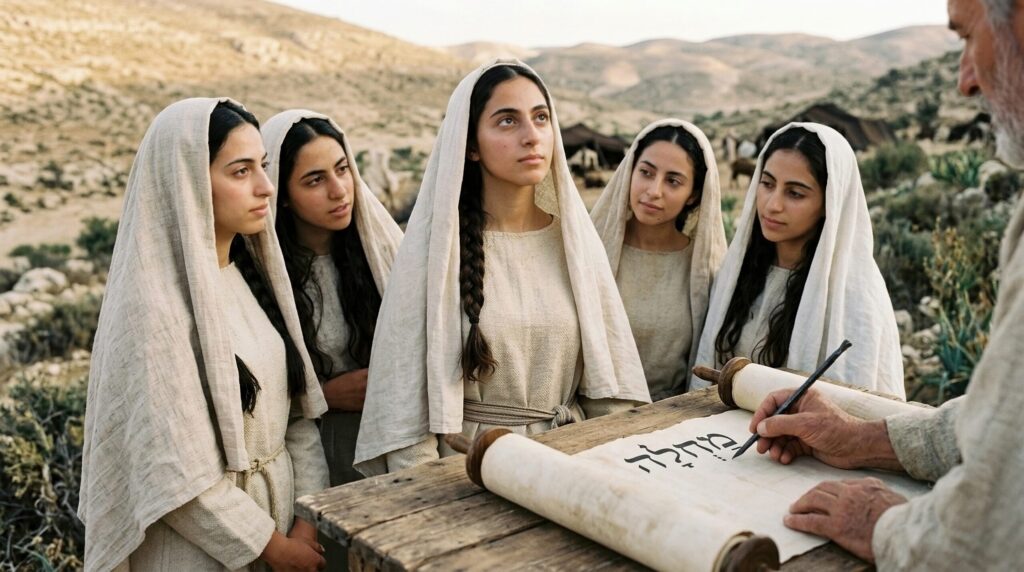
The daughters of Zelophehad step forward because their father has died, there are no sons, and his inheritance is about to disappear into another branch of the tribe. They stand before Moses, Eleazar, the chiefs, and all the congregation at the entrance of the tent of meeting, presenting a careful, respectful appeal. Moses brings their case before the Lord, and God answers with striking clarity: “The daughters of Zelophehad are right,” then commands that their father’s inheritance be transferred to them and establishes a new law for all Israel. This moment in Numbers 27:1–8 shows the Lord seeing five sisters who could easily have been forgotten and publicly vindicating their cause.
Practical application:
We live in systems where some voices still seem small and easily ignored. You may feel invisible at times, uncertain whether your life or your work truly matters before God. This narrative invites you to bring your case before the Lord with humble courage, trusting that His justice is attentive and personal. A concrete step this week is to name before God one situation in which you feel overlooked and ask Him to judge wisely, not demanding your will but seeking His righteous ordering of your life. You can also intentionally notice someone around you whom others ignore— a widow, a single parent, a quiet member of your church— and offer practical help or encouragement that reflects God’s protective heart.
Lesson 2 — Inheritance is covenant identity, not just property
Core idea:
Inheritance in Scripture ties families to God’s promises, identity, and future hope. It is far more than wealth. It is belonging within God’s redemptive story.
In the narrative:
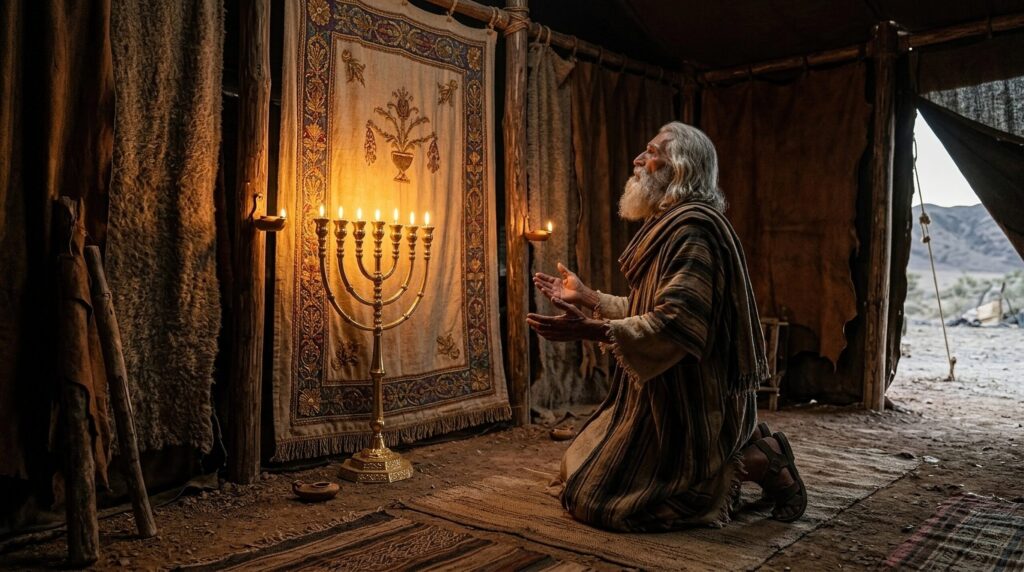
Numbers 26 records a census with a specific purpose: to divide the land among the tribes according to the number of names, because inheritance represented participation in God’s promise to Abraham. Genealogies, which modern readers often skip, were vital in protecting territory, identity, and continuity inside the covenant community. When the daughters ask, “Why should the name of our father be taken away from his clan because he had no son?” and request “a possession among our father’s brothers,” they are fighting not merely for land but for remembrance within Israel’s covenant future. Their case reveals that losing inheritance could mean losing influence, stability, and historical memory before God’s people.
Practical application:
As believers in Christ, our deepest inheritance is not earthly property but the secure place God gives us in His family. The New Testament describes Christians as “heirs of God and fellow heirs with Christ” and speaks of “an inheritance that is imperishable, undefiled, and unfading, kept in heaven for you.” A concrete practice this week is to meditate on passages about inheritance such as Numbers 26:52–53, Numbers 27:1–8, Romans 8:17, and 1 Peter 1:3–4, and then thank God specifically for the identity and future He has given you. You can also examine your heart for ways you treat earthly possessions as your true security, and consciously re-anchor your sense of belonging in God’s covenant grace rather than in material stability.
Lesson 3 — Faithful courage speaks, but does not rebel
Core idea:
Biblical courage often appears as respectful, persistent appeal inside God’s order, not as rebellion or chaos. God honors those who speak truthfully while remaining submitted to His authority.
In the narrative:
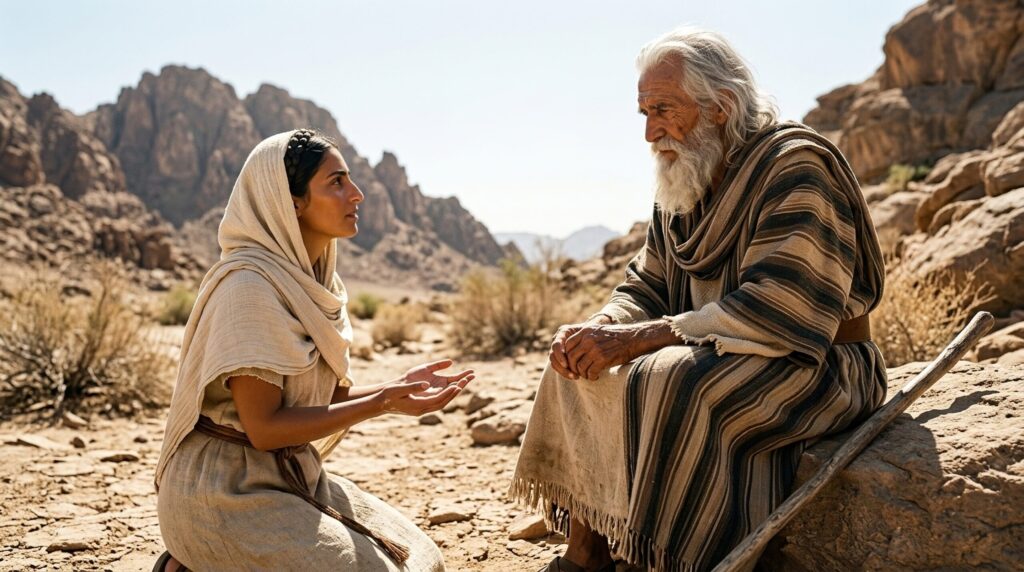
These five sisters live within a male-centered inheritance system in the ancient Near East, where land usually passes through sons. Yet they refuse silent disappearance. They stand publicly before Israel’s leadership at the tabernacle, the symbolic center of covenant life, and present a reasoned case rooted in justice, not resentment. Moses does not dismiss them. Instead, he brings their case before the Lord, and God’s answer affirms them without overturning Israel’s broader structures of leadership and tribal division. Later, in Numbers 36, when a new problem arises about tribal boundaries, God instructs that they marry within their tribe so inheritance stays in Manasseh, preserving both justice for the daughters and order for the nation.
Practical application:
You may face situations in your church, family, or work where something is genuinely unjust or short-sighted, yet you fear that speaking up will be seen as rebellion. The daughters of Zelophehad show that faithful courage can step forward clearly and respectfully while honoring the structures God has placed over us. A concrete step is to prepare one situation this week where you need to speak truth, pray over it carefully, and then present it with humility to the appropriate leaders, asking for wisdom rather than demanding a specific outcome. You can also cultivate a habit of checking your motives before you speak— seeking God’s glory and covenant faithfulness rather than personal vindication or power.
Lesson 4 — God remembers names that fear erasure
Core idea:
Human beings long not to be forgotten. God answers that longing by remembering names and preserving lives within His covenant story, even when they seem small.
In the narrative:
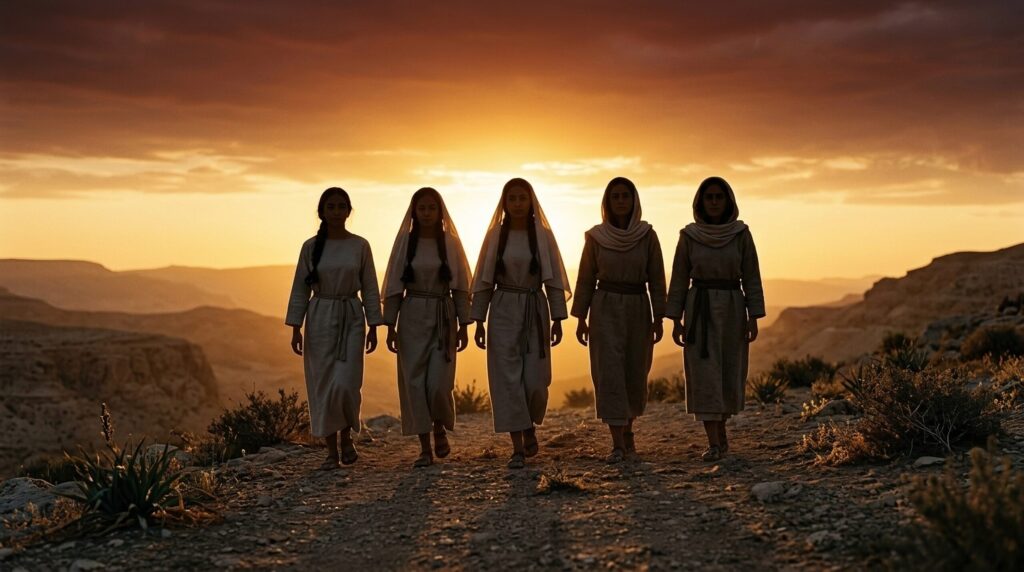
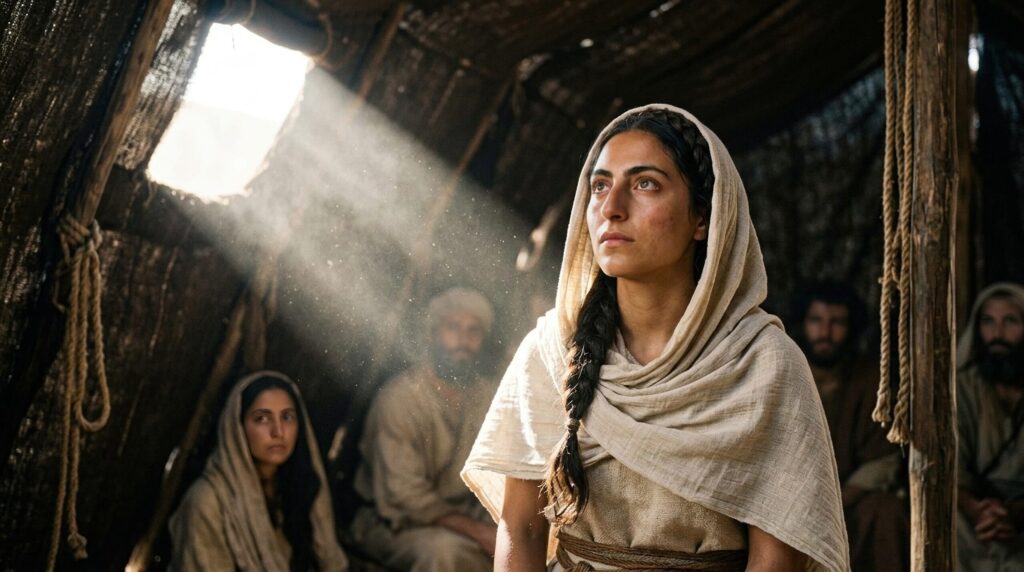
Scripture carefully records the names of all five daughters: Mahlah, Noah, Hoglah, Milcah, and Tirzah. Many women in the Old Testament appear without names, yet these sisters are individually remembered, signaling dignity and importance. Their central question, “Why should the name of our father be taken away?” reveals a fear deeper than financial loss— the fear of erasure from Israel’s future. In God’s providence, the very women who fight for their father’s name end up having their own names preserved in Scripture and remembered for thousands of years, and Joshua 17 later confirms that their inheritance truly becomes reality in the Promised Land.
Practical application:
You may wrestle with the quiet fear that your life will not matter, that your name will fade without leaving anything lasting behind. This narrative teaches that God’s remembrance is more important than human fame. A concrete practice is to bring your desire for significance honestly before the Lord and ask Him to root it in His covenant faithfulness, not in human recognition. Choose one small act of obedience this week— serving, mentoring, praying, or giving secretly— trusting that God sees and remembers what others overlook. You can also write down the names of one or two people from Scripture or church history who were obscure yet faithful and thank God for using unnoticed lives to shape His kingdom.
Lesson 5 — Earthly inheritance points to our eternal one in Christ
Core idea:
The struggle over land in Israel foreshadows a greater reality: through Jesus, believers receive an eternal inheritance that cannot be lost, even when earthly security feels fragile.
In the narrative:
The daughters of Zelophehad fight so their family will not lose its place within Israel’s inheritance as the nation prepares to enter Canaan under Joshua. Their case reshapes Israelite law and ensures concrete inclusion in the Promised Land, confirming that God’s justice results in real, tangible outcomes, not just kind words. The script connects their story to New Testament language about Christians as heirs of God, adopted into His family, and given an imperishable inheritance kept in heaven, showing how earthly inheritance in Israel points beyond itself to the gospel’s promises.
Practical application:
You may face economic uncertainty, loss, or fear about your future. This narrative invites you to see your earthly situation through the lens of your eternal inheritance. A specific habit this week is to read Numbers 27 alongside Romans 8:17 and 1 Peter 1:3–4, then pray thanking God for the inheritance you have in Christ that no circumstance can threaten. You can also practice generosity in one concrete area— sharing money, time, or skills— as an act of trust that your true security rests in God’s promises, not in what you can keep for yourself.
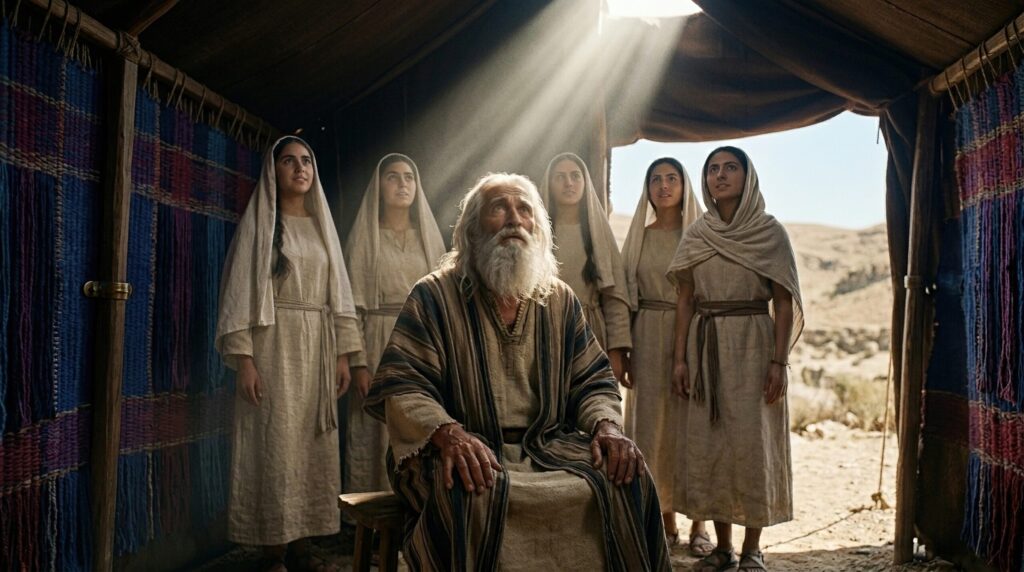
Taken together, these lessons show a coherent picture of God’s character in this narrative: He sees those who stand on the margins, protects them with real justice, and folds their lives into His covenant story. Zelophehad’s daughters stand at the intersection of judgment and promise, facing the possibility of erasure, yet God uses their faithful courage to reshape law, preserve inheritance, and point forward to the eternal security believers receive in Christ. This week, you can respond in three concrete steps. First, set aside time to read Numbers 26–27, Numbers 36, and Joshua 17, asking God to show you His heart for the overlooked. Second, spend a quiet moment in prayer naming your own fears of being forgotten or treated unjustly, and consciously entrust them to the Lord who remembers names. Third, choose one specific act— speaking respectfully about a hard issue, protecting someone vulnerable in your church, or practicing quiet generosity— as a way of living out the justice and covenant faithfulness revealed through these five sisters.

Scripture references and context
- Numbers 26:52–53 — God commands Moses to divide the land for inheritance according to the number of names, showing that land is covenantal participation in His promise.
- Numbers 27:1–8 — Introduces Zelophehad’s daughters, records their appeal for inheritance, and contains God’s declaration that “The daughters of Zelophehad are right,” along with the new law protecting daughters.
- Numbers 36:6–12 — Addresses tribal boundary concerns by instructing the daughters to marry within their own tribe, preserving both their inheritance and Israel’s territorial order.
- Joshua 17:3–6 — Confirms that the daughters of Zelophehad actually receive their inheritance in the Promised Land, showing that God’s legal provision results in concrete inclusion.
- Psalm 68:5 — Describes God as “Father of the fatherless and protector of widows,” fitting with His concern for vulnerable people like daughters without brothers.
- Romans 8:17 — Calls believers “heirs of God and fellow heirs with Christ,” connecting Old Testament inheritance themes to our identity in the gospel.
- 1 Peter 1:3–4 — Speaks of “an inheritance that is imperishable, undefiled, and unfading, kept in heaven for you,” revealing the ultimate, secure inheritance believers possess in Christ.
- Leviticus 25 (Jubilee laws, alluded) — Protects Israelite land from permanent loss, reinforcing that inheritance is a sacred trust under God’s ownership.