
“For we do not wrestle against flesh and blood, but against the rulers, against the authorities, against the cosmic powers over this present darkness.”
Ephesians 6:12 (ESV)
Headlines That Sound Like Sermons
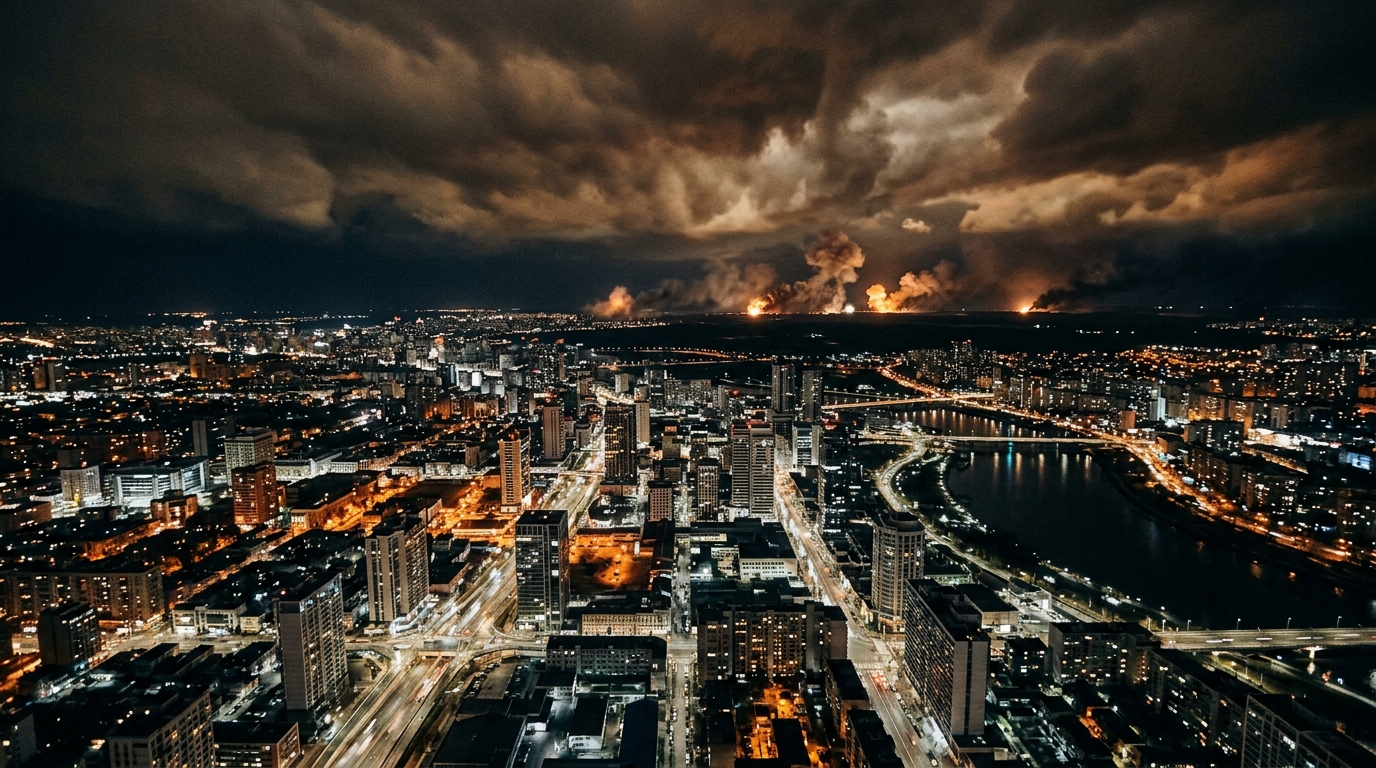
Around the world, war is not only fought with missiles and drones. It is also fought with words. In recent months, some political and military leaders have begun to describe the conflict with religious language, speaking of “holy war,” “Armageddon,” and even suggesting that current battles are part of God’s plan for the end times.
News reports have documented statements framing the war with Iran as a spiritual showdown and even as a step toward a prophetic climax. Troops have reportedly been told that their mission carries biblical significance, while commentators debate whether these events are fulfilling specific prophecies. For many believers, those words stir both curiosity and fear.
When headlines begin to sound like sermons, Christians face a serious question: how do we discern between a true biblical perspective and a political narrative that only borrows the language of Scripture? That question is not new—but in an age of instant media and global crises, it feels more urgent than ever.

When War Is Sold as a Holy Mission
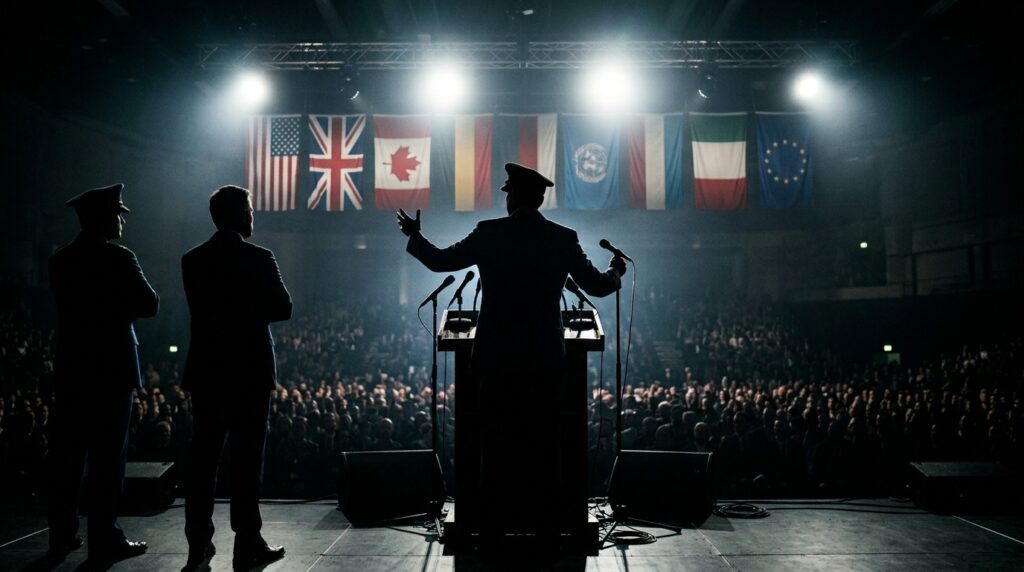
Throughout history, rulers have discovered that people are more willing to fight, sacrifice, and even die when they believe a war is not only necessary, but holy. When leaders claim that God Himself stands behind their strategy, moral questions can be silenced, critics can be shamed, and complex realities can be simplified into a story of “us” versus “them.”
In the current conflict, some voices present military campaigns as part of a sacred drama, suggesting that one side represents God’s will and the other stands as an enemy of His plan. Suddenly, geopolitical disputes, territorial issues, and long histories of injustice are pressed into a spiritual narrative that leaves little room for humility or repentance.
Scripture warns us that not every spiritual‑sounding message is truly from God. Paul wrote about “false apostles, deceitful workmen, disguising themselves as apostles of Christ,” and reminded the church that even Satan “disguises himself as an angel of light” (2 Corinthians 11:13–15, ESV). When politicians wrap their agenda in Bible language, discernment is not optional—it is obedience.
What Scripture Actually Says About War
The Bible does not ignore war. Jesus Himself spoke of “wars and rumors of wars” and nations rising against nations (Matthew 24:6–7). Yet He also warned His disciples, “See that you are not alarmed, for this must take place, but the end is not yet.” The presence of conflict on the world stage is real, but it is not a license to treat every battle as a direct, one‑to‑one fulfillment of a specific prophecy.
Jesus refused to let His kingdom be defined by earthly power. When questioned by Pilate, He said, “My kingdom is not of this world. If my kingdom were of this world, my servants would have been fighting” (John 18:36, ESV). The New Testament consistently shifts the focus from human enemies to spiritual ones, reminding believers that the true battle is against sin, deception, and darkness—not against flesh and blood (Ephesians 6:12).
At the same time, Scripture calls God’s people to love their enemies and pray for those who persecute them (Luke 6:27–29). Any narrative that celebrates the destruction of entire peoples, or that encourages believers to hate entire nations, is already drifting away from the heart of Christ. When holy war rhetoric pushes us toward contempt rather than compassion, it is not the Spirit of Jesus that is leading.

The Real Battle: Hearts, Not Borders
Because war is visible, loud, and dramatic, it is easy to believe that the decisive conflicts of history are happening only on borders and battlefields. Yet Scripture insists that the deeper struggle is taking place in the unseen realm, where hearts either harden against God or turn toward Him in repentance. Nations rise and fall, but every soul will still stand before the Judge of all the earth.
This does not make earthly suffering less serious. It does, however, remind us that the church’s first calling is not to help one government “win the narrative,” but to bear witness to Christ in the middle of the fire. Our weapons are not rockets, but truth, righteousness, faith, and the Word of God (Ephesians 6:13–17). Even while wars rage, the gospel quietly advances—sometimes in the very regions most touched by conflict.
When political leaders mix military campaigns with spiritual symbolism, believers must remember who truly commands their loyalty. Our ultimate allegiance is not to any flag, party, or alliance, but to the Lamb who was slain and who will return in glory. In that light, no earthly coalition—however powerful—can claim to be the final expression of God’s kingdom.

How Christians Can Respond Without Hype
If we cannot trust every claim that a war is holy, how should we respond when headlines are full of apocalyptic language? First, we test every spirit by the Word of God. That means reading Scripture carefully, in context, and refusing to build our view of prophecy only from breaking news and viral clips (1 Thessalonians 5:20–21).
Second, we pray—not only for “our side,” but for all who suffer. We ask that God would restrain evil, protect the innocent, and draw people from every nation to Himself. We remember that in Christ there is no Jew or Gentile, no East or West, but one new humanity formed at the cross (Galatians 3:28–29; Ephesians 2:14–16).
Finally, we watch our own hearts. Holy war rhetoric can be intoxicating. It can make us feel important, in‑the‑know, even superior to other believers who are slower to connect events to prophecy. But Jesus called His followers not to build platforms on fear, and not to feed on outrage, but to be faithful servants who keep their lamps burning in the long night.

As the language of holy war grows louder, the church is called to something different: quiet, steady faithfulness. We do not deny the seriousness of global conflict, and we do not close our eyes to suffering. But we refuse to let any earthly agenda, no matter how religious it sounds, replace the voice of the Shepherd. In every season of crisis, His Word remains our safest place to stand.
BIBLE REFERENCES
2 Corinthians 11:13–15 (ESV); Luke 6:27–29 (ESV); John 18:36 (ESV); Ephesians 6:10–13 (ESV); Matthew 24:4–8 (ESV)