
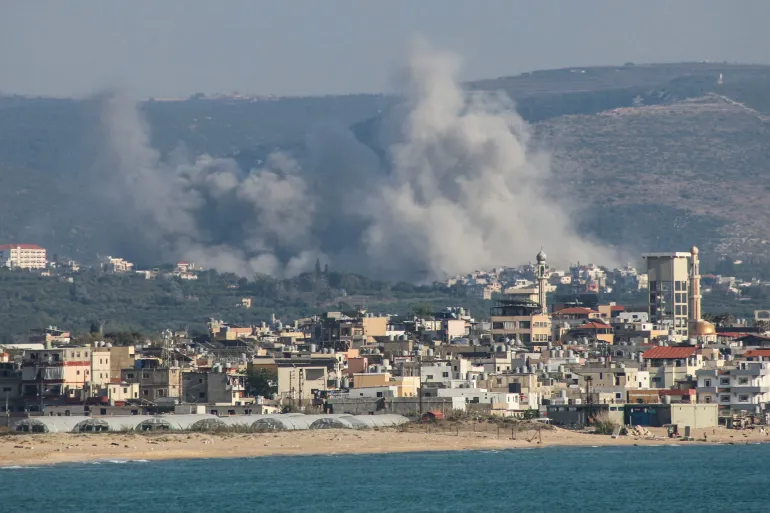
As Israel, Iran and their allies trade strikes and ceasefires falter, many believers wonder if these events fulfill Bible prophecy. Here is a sober, Scripture-based perspective.
In recent months, the Middle East has once again moved to the center of global attention. Israel and Iran have exchanged missile strikes, Lebanese Hezbollah continues to threaten Israel’s northern border, and ceasefire efforts remain fragile and uncertain. At the same time, the situation in Gaza and the broader region adds pressure to an already unstable environment.
For many Christians, especially those who follow biblical prophecy closely, this raises an old question in a fresh way: Are we watching end-times events unfold before our eyes?
In this article, the goal is not to announce dates or make sensational claims, but to offer a sober, Scripture-based framework for understanding such conflicts and responding with faith rather than fear.
1. What is happening right now?
Reports indicate that Israel has carried out strikes against targets linked to Iran and its allies, while Iran has responded with its own attacks, including threats in strategic areas like the Strait of Hormuz. Negotiations involve not only direct conflict but also the situation in Lebanon, where Hezbollah remains heavily armed along Israel’s northern border.
Meanwhile, Gaza continues to face military pressure, economic crisis and humanitarian suffering, with recurring escalations and complex ceasefire arrangements.
In short, the region is experiencing:
- active military confrontations;
- fragile diplomacy;
- long-standing ideological and religious tensions.
2. Why does this matter to Christians?
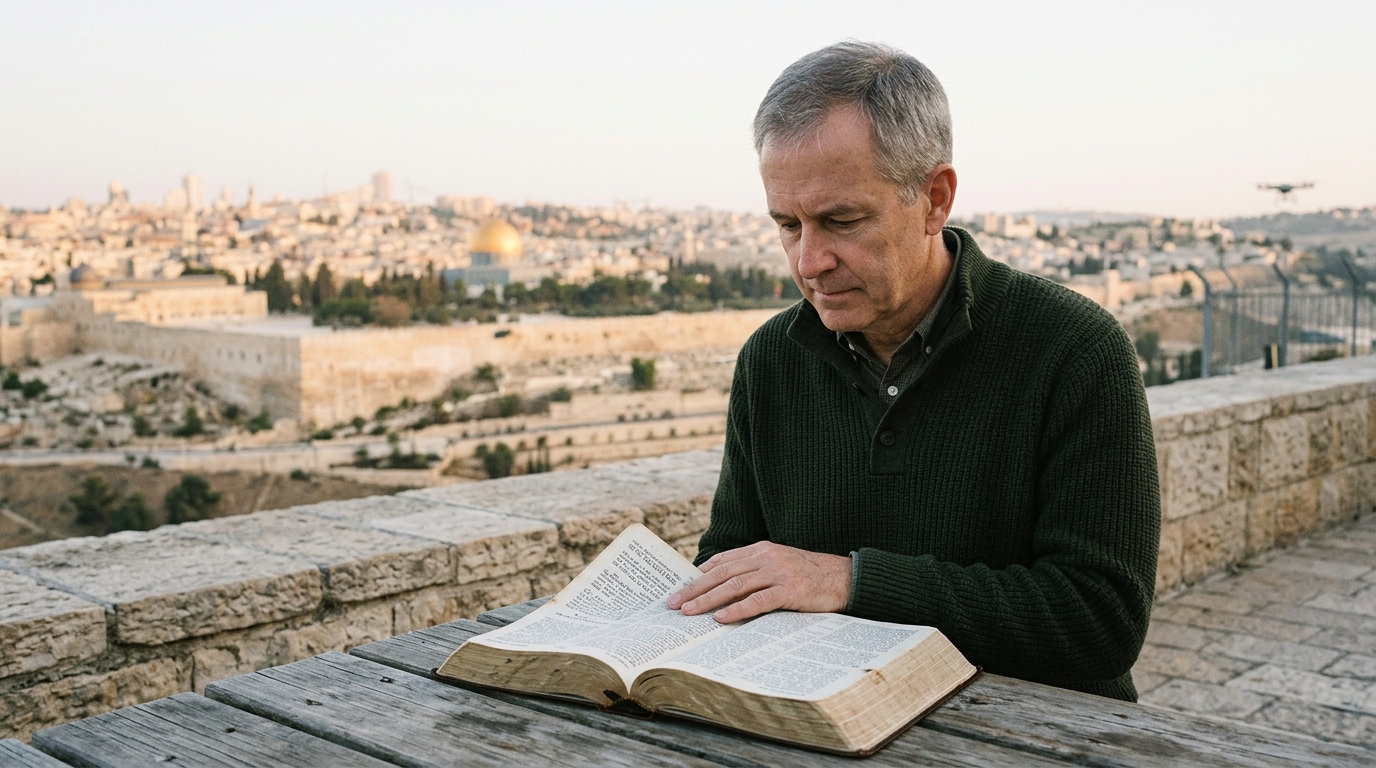
From Genesis onward, the Bible presents the land of Israel and its surrounding nations as significant in God’s dealings with the world. Followers of Christ naturally pay attention when war, alliances and hostility intensify in this region.
However, Scripture also warns against reacting in a purely emotional or speculative way. Jesus Himself said:
“You will hear of wars and rumors of wars. See that you are not alarmed, for this must take place, but the end is not yet.”
(Matthew 24:6, ESV)
Wars and conflicts are part of the broken condition of this age. They are serious, tragic and painful — but not every conflict is a direct, one-to-one fulfillment of a specific prophetic verse.
3. Avoiding two opposite errors
When we look at Israel, Iran and the wider Middle East, there are two common mistakes:
- Sensationalism – reading every headline as a guaranteed sign that a particular prophecy is fulfilled this week, and using fear to draw attention.
- Indifference – acting as if these events have nothing to do with God’s plans, and refusing to pray or discern the times.
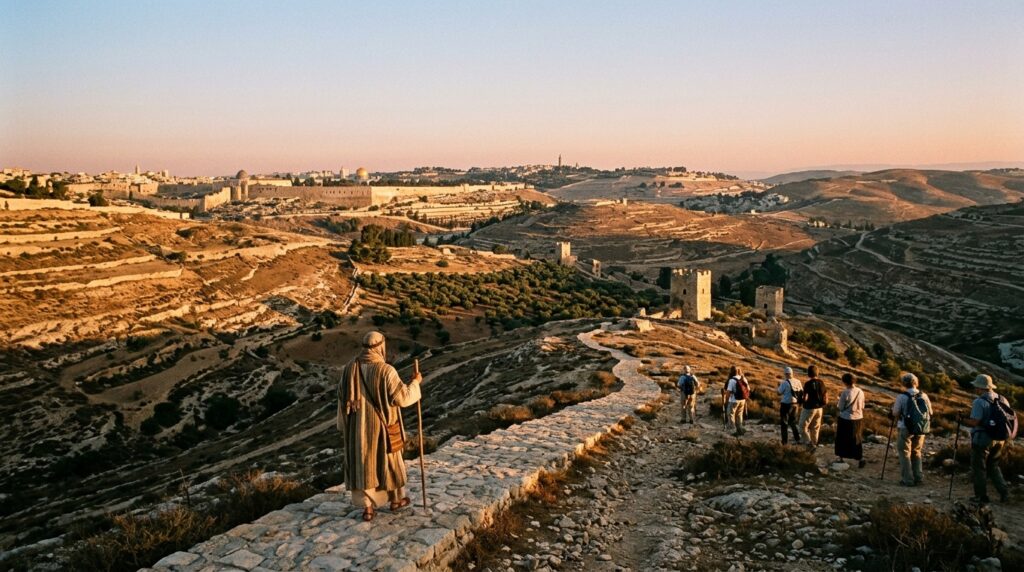
The biblical path is different. It calls believers to be awake and watchful, but also humble and careful:
- We acknowledge that God’s Word speaks about nations, Israel and the end of the age.
- We also recognize that we “see in a mirror dimly” and do not know the exact timing of every event.
As Jesus taught, the focus is not on date-setting, but on faithfulness:
“Therefore you also must be ready, for the Son of Man is coming at an hour you do not expect.”
(Matthew 24:44, ESV)
4. How can we read these events biblically?
Here are some principles that can help believers interpret the current situation:
- God is not surprised. No alliance, missile or political decision escapes His knowledge or sovereignty.
- Human sin is real. Pride, hatred, revenge and injustice fuel conflicts between nations and groups.
- The Middle East remains spiritually significant. The cross, the resurrection and much of biblical history are rooted there, and Scripture points to future dealings of God with Israel and the nations.
- Prophecy should lead to holiness, not speculation. When the Bible speaks of judgment and the end of the age, the consistent application is: repent, live godly lives, remain faithful.
Seen this way, news about Israel and Iran should call Christians not to panic, but to deeper repentance, prayer and obedience.
5. A call to prayer, not panic
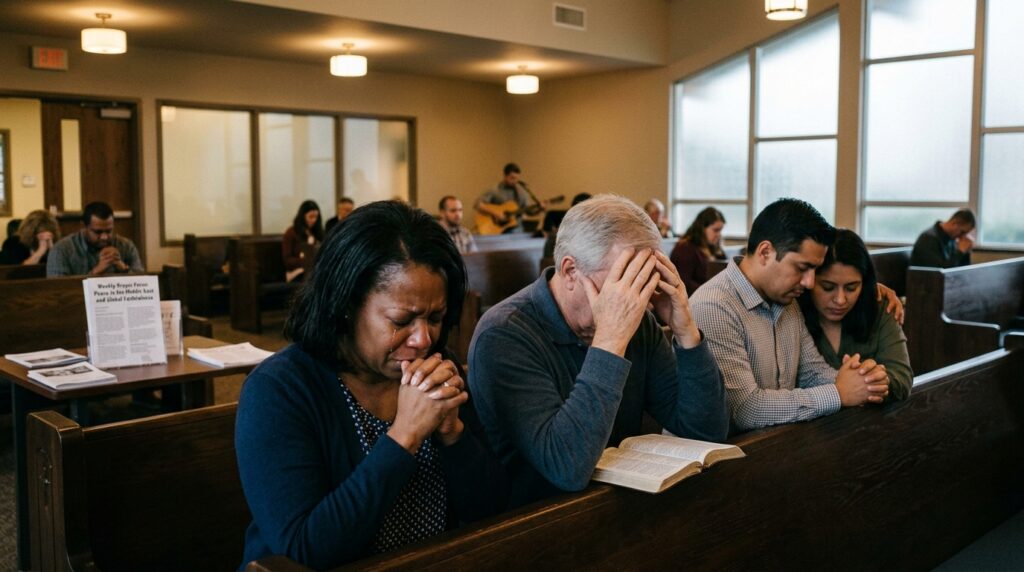
Instead of spending hours chasing every rumor or adopting extreme political positions, believers are invited to stand in the gap in prayer. We can pray for:
- protection of civilians on all sides;
- wisdom for leaders, even when we disagree with them;
- the restraining of evil plans and escalation;
- the spread of the gospel in Israel, Iran, Lebanon, Gaza and beyond;
- strength and courage for churches and believers in the region.
The apostle Paul wrote:
“First of all, then, I urge that supplications, prayers, intercessions, and thanksgivings be made for all people, for kings and all who are in high positions…”
(1 Timothy 2:1–2, ESV)
This includes leaders in the Middle East today.
6. What this means for your daily walk
News from the Middle East can feel distant, but the spiritual implications are very close to home. Each new headline is an opportunity to ask:
- Am I living as if Christ could return at any time?
- Am I anchored in Scripture, or driven by fear and speculation?
- Am I praying for people who live in the middle of these conflicts?
- Am I letting God grow in me a heart that loves both truth and mercy?
Instead of letting anxiety grow, we can allow these events to sharpen our focus on what truly matters: knowing Christ, walking in holiness, loving others and being ready.

Closing reflection
Wars and rumors of war will continue until the day God finally makes all things new. Until then, every believer is called to watch, pray and remain faithful. Our hope is not in ceasefires, peace deals or human strength, but in the return of Jesus Christ, the Prince of Peace.
“For here we have no lasting city, but we seek the city that is to come.”
(Hebrews 13:14, ESV)
May the headlines from Israel, Iran and the wider Middle East not lead you to fear, but to deeper trust in God, more consistent prayer and a renewed commitment to live by His Word.