VIDEO SUMMARY
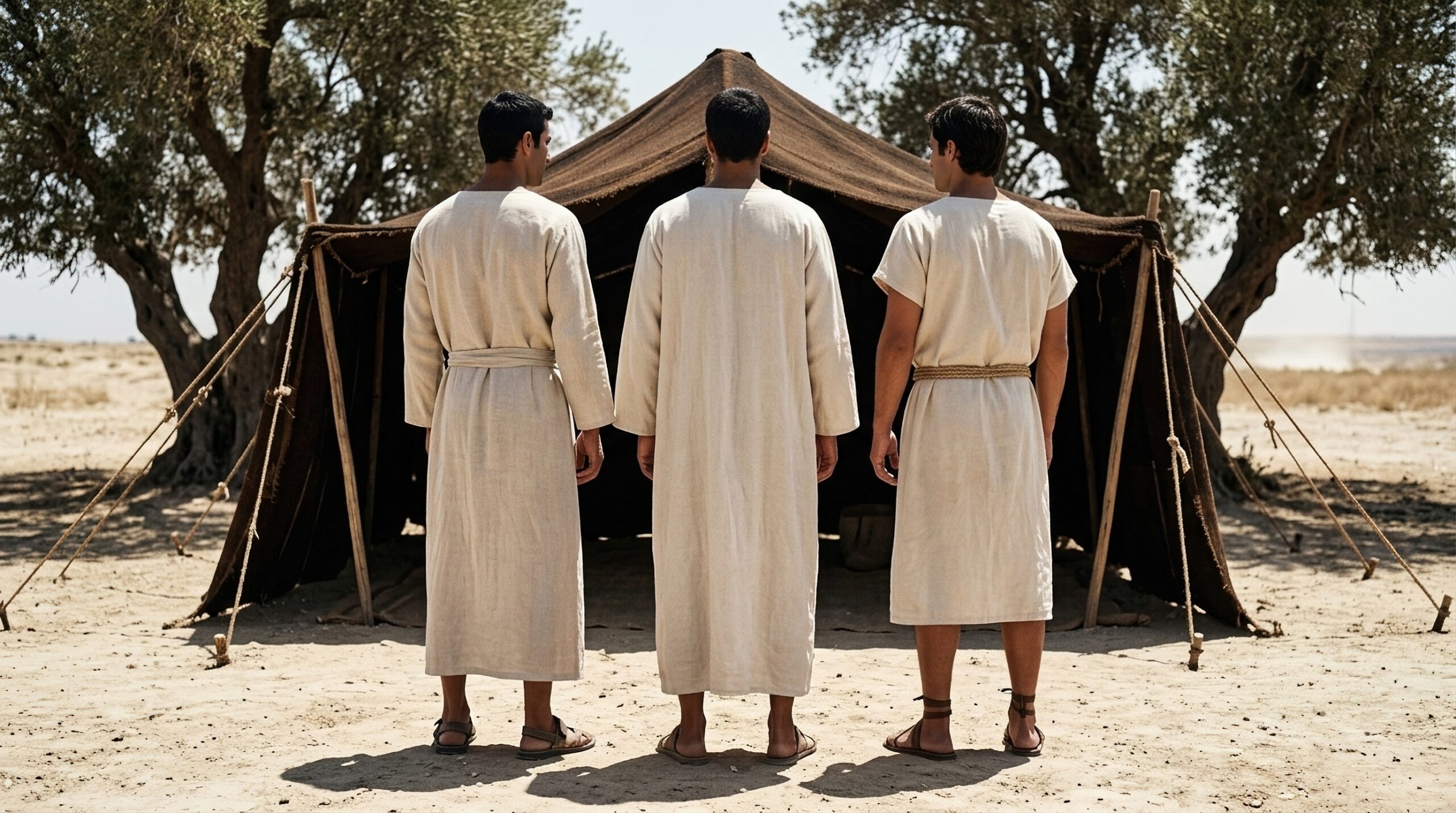
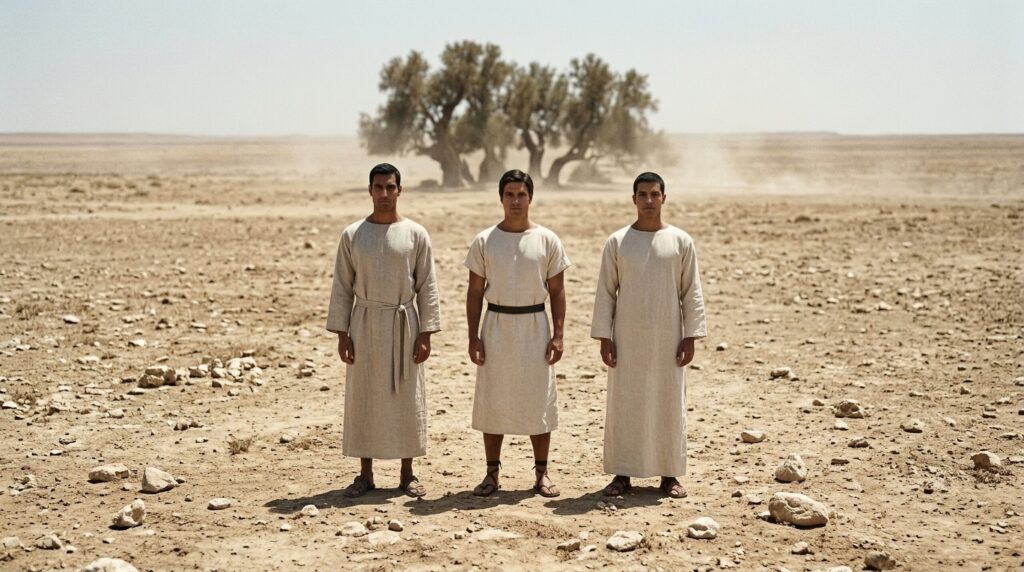
This video examines Genesis 18 and 19, where three strangers appear to Abraham at the trees of Mamre, and one of them speaks and acts as “the LORD” himself. Abraham, twenty-five years into waiting on God’s promise, runs to serve them a lavish meal, and the visitor announces that Sarah will bear a son within the year. Sarah laughs silently at the impossibility, and the visitor reveals He has heard her unspoken thought, asking, “Is anything too hard for the LORD?” The central tension is identity: two of the three are later called angels, sent on to judge Sodom, while the third remains as a visible appearance of God, a theophany who eats, speaks, and lets Abraham bargain with Him over the fate of the righteous. The passage reveals a God who comes near in ordinary form, sees what is hidden, and holds justice and mercy together in the same afternoon.
MAIN LESSONS
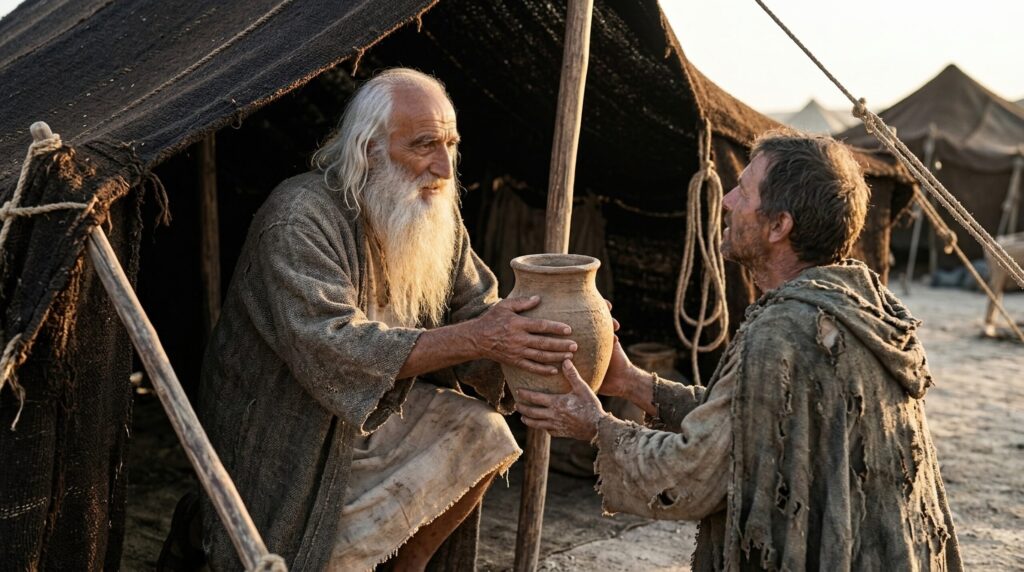
Lesson 1 — Hospitality Can Be an Unrecognized Encounter with God
Core idea: Abraham did not know at first who stood before him. He simply ran to serve three strangers, and in serving them, he hosted the LORD of heaven and earth.
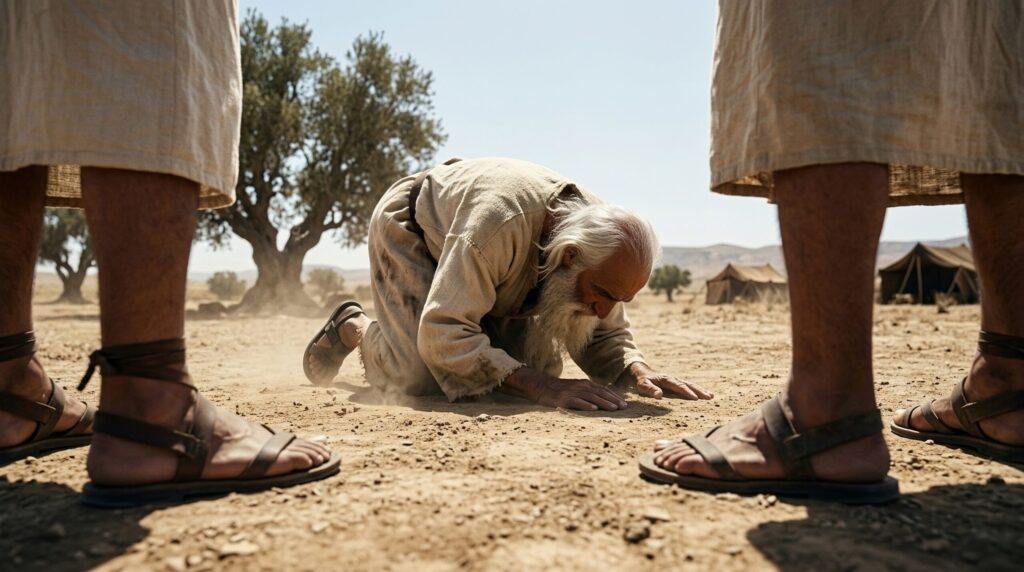
In the narrative: Abraham runs in the heat of the day, bows to the ground, and prepares an enormous meal for three unnamed visitors (Gen. 18:2–8) before he understands who they are. Hebrews later draws the direct lesson: “Do not neglect to show hospitality to strangers, for by this some have entertained angels without knowing it” (Heb. 13:2).
Practical application: This week, treat one inconvenient interruption — an unexpected visitor, a stranger’s request, an unplanned guest — as a possible invitation rather than a burden. Prepare something specific for someone outside your usual circle, such as a meal or a ride. Do not wait to discern whether the person “deserves” the effort before you offer it.
Highlight quote: “Abraham looked at three strangers in the heat and saw an opportunity to serve.”
Test your biblical knowledge with this amazing quiz!
Lesson 2 — Nothing Is Too Hard for the LORD, Including Your Private Doubt
Core idea: Sarah’s laugh was silent, but God heard it anyway, and He met her doubt not with rejection but with a direct, personal question.
In the narrative: Sarah laughs “to herself” at the promise of a son in her old age (Gen. 18:12), and the visitor repeats her unspoken thought back to her, asking, “Is anything too hard for the LORD?” (Gen. 18:13–14). The child born from that promise is named Isaac, meaning “he laughs.”
Practical application: Identify one promise of God you have quietly stopped believing could apply to you, in your own private thoughts. Say that doubt out loud to God this week instead of keeping it silent, the way Sarah first did. Let Genesis 18:14 become the verse you return to when that specific doubt resurfaces.
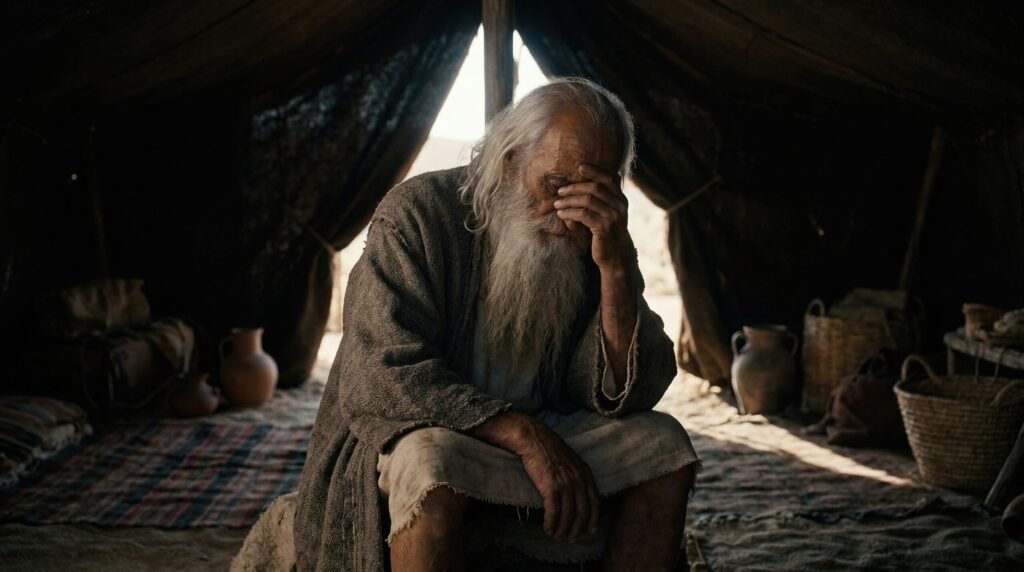
Lesson 3 — God Sees the Heart, Not Just the Behavior
Core idea: The visitor knew Sarah’s name without introduction and her laughter without hearing it, showing that this was no ordinary traveler reading outward signs.
In the narrative: The three ask Abraham directly, “Where is Sarah your wife?” (Gen. 18:9), using a name they had no natural way to know. When Sarah denies laughing out of fear, He answers simply, “No, but you did laugh” (Gen. 18:15), correcting her without anger.
Practical application: This week, stop managing only your outward behavior in one area of temptation and address the hidden thought behind it instead. Confess the private version of a struggle to God in prayer, not only the visible action. Ask one trusted person to help you notice patterns in your heart that you cannot see in yourself.
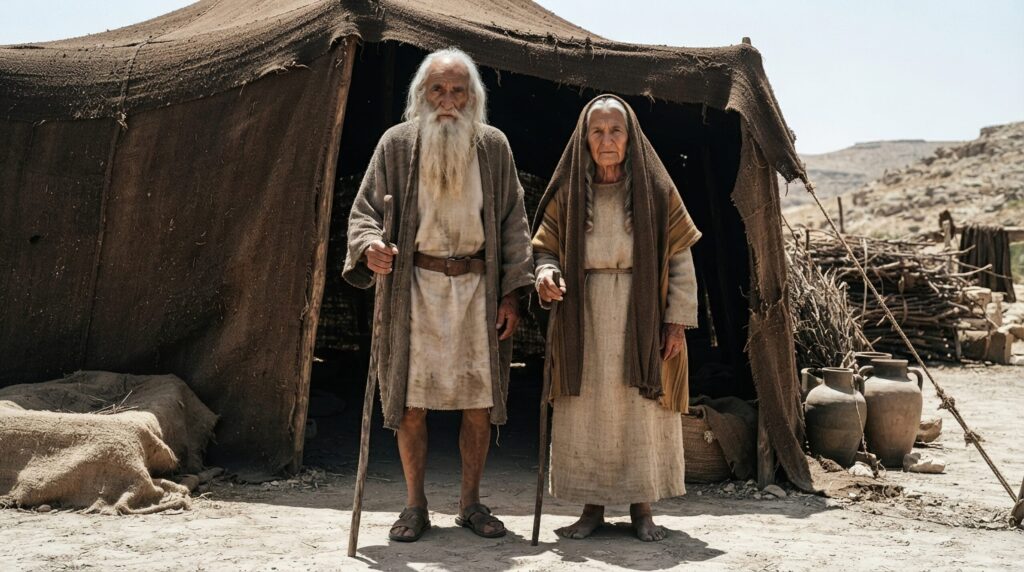
Lesson 4 — God Invites His People into the Weight of His Justice
Core idea: God did not have to explain His plans for Sodom to Abraham. He chose to, and then let Abraham argue with Him about mercy.
In the narrative: God says He will not hide His plan from Abraham because Abraham “will teach his children to keep the way of the LORD” (Gen. 18:17–19). Abraham then presses God from fifty righteous down to ten, and God agrees at every step (Gen. 18:23–32).
Practical application: This week, bring one situation involving someone else’s consequences or suffering directly to God in prayer, rather than staying silent about it. Ask specifically for mercy on behalf of someone who may be caught in the fallout of others’ sin. Approach this with Abraham’s posture — bold but humble, calling yourself “dust and ashes” even as you plead.
Highlight quote: “He did not have to explain himself to Abraham. He chose to.”
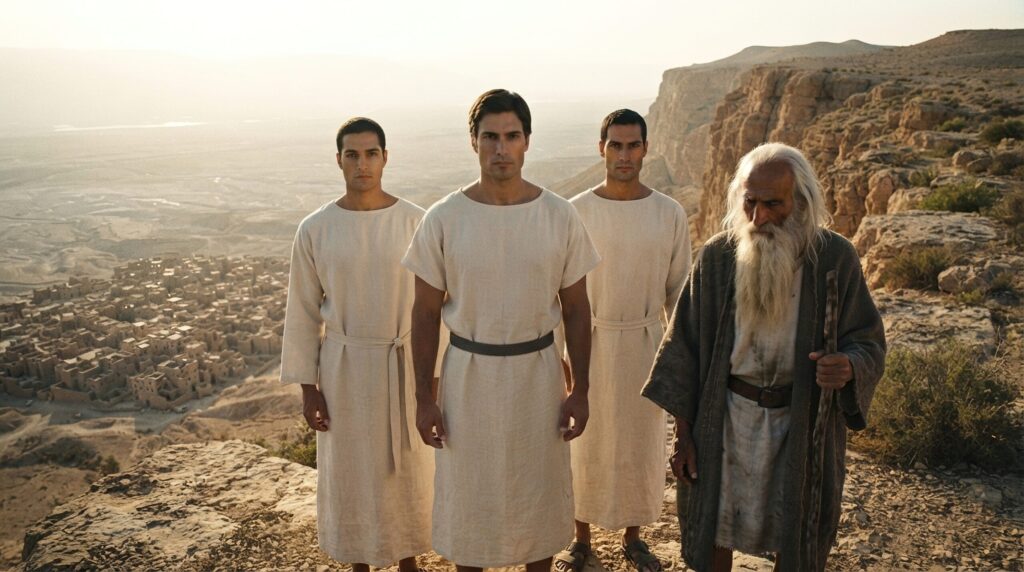
Lesson 5 — Mercy and Judgment Move Together, Not Against Each Other
Core idea: The same visit that brought Abraham a promise of life also brought a sentence of judgment on Sodom, showing that God’s mercy and justice are not in tension.
In the narrative: The two angels rescue Lot and his family by the hand, “the LORD being merciful to him” (Gen. 19:16), even as fire falls on Sodom and Gomorrah. Lot’s wife, lingering and looking back, becomes a pillar of salt (Gen. 19:26) — mercy offered, and a warning not to resist it.
Practical application: If God is currently rescuing you from something, identify one thing from that old life you keep looking back toward instead of fleeing fully. Name it specifically this week and remove one point of continued contact with it. Thank God in prayer for both the judgment that ended it and the mercy that pulled you out by the hand.
Together, these lessons show a single afternoon in Genesis 18 and 19 revealing the full character of God. He comes near in ordinary form, so close that hospitality itself can become worship without our even realizing it. He meets private doubt with direct, personal truth rather than rejection, because He already sees the heart behind every action. He invites His people into the weight of His justice, welcoming bold intercession rather than silencing it. And through it all, His mercy and His judgment move together, never canceling each other out.
This week, take three steps. Read Genesis 18 and 19 together in one sitting, watching for where “the LORD” and “the men” are named side by side. Spend time in prayer naming one private doubt you have laughed at quietly, the way Sarah did, and speak it to God directly. Then choose one act of hospitality toward someone outside your usual circle, trusting that the God who ate at Abraham’s table still comes near in ordinary moments like these.
SCRIPTURE REFERENCES AND CONTEXT
Passages cited in the script:
- Genesis 18:1–8 — Abraham’s run to serve the three visitors and the meal he prepares, establishing the setting at Mamre.
- Genesis 18:9–10 — The visitors asking for Sarah by name and announcing the coming birth of a son.
- Genesis 18:12–15 — Sarah’s silent laughter, the visitor’s response, and the declaration “Is anything too hard for the LORD?”
- Genesis 18:17–19 — God’s decision to reveal His plan to Abraham because of his future role teaching righteousness and justice.
- Genesis 18:20–32 — Abraham’s intercession for Sodom, bargaining God down from fifty righteous to ten.
- Genesis 19:1–11 — The two angels at Sodom, Lot’s hospitality, and the blinding of the mob.
- Genesis 19:15–16 — The angels leading Lot’s family out “because the LORD was merciful to him.”
- Genesis 19:24–26 — The destruction of Sodom and Gomorrah and Lot’s wife becoming a pillar of salt.
- Hebrews 13:2 — The New Testament application: hospitality to strangers may mean entertaining angels unaware.
Additional cross-references:
Exodus 3:2–6 — The Angel of the LORD appearing in the burning bush, another instance of the same recurring figure who speaks as God.
Joshua 5:13–15 — The Commander of the LORD’s army accepting worship before Joshua, paralleling the visitor’s divine authority at Mamre.
Genesis 21:1–7 — The fulfillment of the promise in Isaac’s birth, directly answering the laughter of Genesis 18.
Theological concepts:
Theophany — A visible, physical appearance of God that human eyes can see and human ears can hear, as with the third visitor at Mamre.
The Angel of the LORD — A recurring Old Testament figure who speaks and acts as God while also appearing distinct and sent, appearing to Hagar, Moses, Joshua, and others.
Intercession — The act of pleading with God on behalf of others, modeled here by Abraham’s bargaining for the righteous in Sodom.